Online phone number searches can help identify unknown callers and reconnect with contacts. However, a telephone number does not automatically reveal someone's physical location.
Legitimate tools provide limited information and require permission for personal location sharing. This guide explains lookup methods, privacy rules, safety risks, and responsible alternatives.
Understanding Online Phone Number Tracking
The phrase phone tracking can refer to caller identification or finding a device, which are different activities.
A rastreador de número de telefone may display reported names or regions, but cannot reliably pinpoint a person's movements using only their telephone number, especially when numbers are reassigned or deliberately disguised.
Why Do People Want to Track Phone Numbers?
People search numbers for practical reasons, including reconnecting and screening unexpected calls. The right approach depends on whether the goal is identifying a caller or locating an authorized device, and on what information a person has willingly made available.
Lost Contacts and Reconnecting
An old number may help recover contact information for someone you previously knew, particularly when it appears on an outdated business card or saved email.
Public professional listings or mutual acquaintances might provide updated details. Avoid repeated unwanted contact when the person has not responded or has requested privacy.
Suspicious Calls or Unidentified Numbers
Unknown calls sometimes come from legitimate businesses, telemarketers, or fraudsters. Checking reported numbers can identify possible spam patterns without engaging the caller, reducing the temptation to return suspicious calls that may involve costly charges.

Because criminals can spoof caller identification, a familiar displayed number does not prove who actually called.
Family Safety Checks
Families may agree to location sharing when someone travels or needs assistance. These arrangements should be transparent, age-appropriate, and limited to a clear purpose, with everyone understanding how to pause or stop sharing.
For an immediate safety emergency, contact local emergency services rather than relying on unverified websites.
Legitimate Ways to Track a Phone Number Online
Responsible lookup services provide limited context about unfamiliar numbers. They cannot replace a device owner's permission for live location access.
Reverse Phone Lookup Services
A reverse lookup may show community labels, possible names, or broad regions. Services such as Whitepages, Truecaller, and Spy Dialer differ in coverage, availability, and privacy practices.
Results can be wrong, outdated, or based on user submissions rather than verified ownership, so compare them with other trustworthy information before drawing conclusions.
Using Search Engines Wisely
Search engines sometimes find public listings connecting numbers with businesses or organizations. Put the full number in quotation marks and review the source date.
Avoid treating an old directory entry as proof that its named person still uses that number, particularly after relocation or business closure.
Social Media Platforms
People sometimes publish business contacts on professional or social profiles. Privacy settings usually restrict searching for private accounts through their numbers, and platforms change which profile details they expose over time. Do not attempt to bypass those settings or infer someone has consented to being identified.
Community Reporting Websites
Community websites such as WhoCallsMe and 800Notes collect caller reports from users. Patterns may suggest nuisance calls, impersonation, or aggressive marketing.
Individual comments remain unverified and should not be used to accuse a particular person of wrongdoing, especially when multiple people may have used the same number.
Legal and Ethical Aspects of Phone Number Tracking
Privacy laws and consent requirements vary by jurisdiction. Respect personal boundaries and avoid secret surveillance, impersonation, or unauthorized account access.
Consent and Privacy Rules
A request to track phone number online should distinguish public lookup from continuous location monitoring. Locating another person's device generally requires appropriate authorization, and covert monitoring may violate laws.
Ask for permission directly and explain how long location information will remain shared, who can view it, and how access can be revoked.
What Information Is Publicly Accessible?
Public directories may reveal business addresses, broad numbering regions, or volunteered details. They do not normally provide accurate live GPS coordinates or private messages.
Information supplied by callers can also be inaccurate because numbers are reassigned or spoofed, meaning the displayed area code is not necessarily their present location.
Advanced Methods and Their Limitations
Device-location tools can assist with lost phones when account access and settings permit. These services identify registered devices rather than locating arbitrary telephone numbers.
GPS Tracking and Phone-Finding Apps
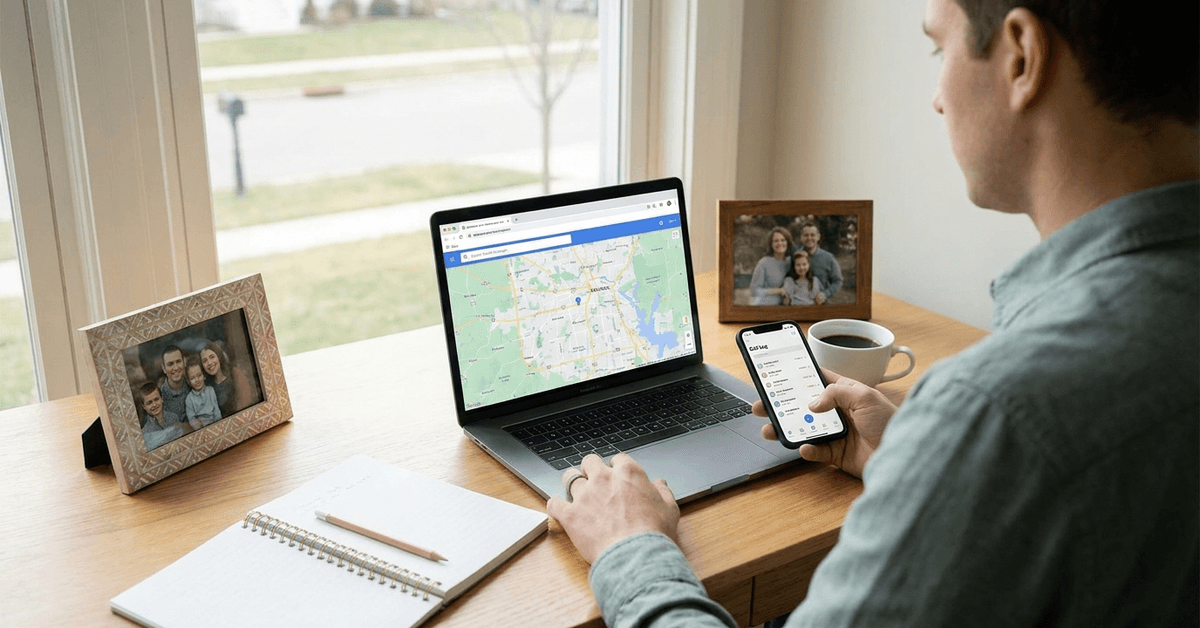
Google Find Hub and Apple's Find My help owners locate registered devices or voluntarily shared locations. An authorized phone tracker app may also support family location sharing with clear agreement.
Accuracy varies with connectivity, settings, and signal conditions, so location estimates are not always current or precise enough to identify a particular building.
SIM Card and Carrier Assistance
Mobile carriers maintain network records needed to provide service and respond to lawful requests. They generally do not disclose another subscriber's real-time whereabouts to private callers.
If your own phone is missing, contact your carrier about account protection and SIM suspension, particularly if someone might access banking or messaging applications.
Using Third-Party Tracking Apps
Some services advertise ways to rastrear celular using monitoring software or telephone numbers. Avoid installing hidden apps, accessing someone else's accounts, or sharing tracking links without permission.
Review permissions, data retention, subscription terms, and uninstall options before selecting any legitimate service, remembering that unnecessary access can expose contacts and location history.
Best Practices for Safe and Respectful Tracking
Protecting personal privacy is essential even when your intentions are reasonable. Follow these safeguards before researching a number or enabling location sharing.
- Obtain permission before accessing another person's location or accounts.
- Use trusted services and check their privacy and cancellation policies, and review whether your searches might expose details to unrelated commercial partners.
- Avoid submitting passwords, verification codes, or financial information to lookup websites.
- Keep searches relevant to the original purpose and respect requests to stop contacting someone.
Risks and Scams: Avoiding Traps When Tracking Numbers
Websites advertising instant locations for any number often make misleading promises. Fraudsters can exploit curiosity by requesting payments, installing unwanted software, or collecting sensitive information.
- Watch for expensive subscriptions, misleading countdowns, and guaranteed live tracking claims.
- Never install unfamiliar applications from unofficial sources or grant unnecessary device permissions.
Alternative Ways to Stay Connected or Reconnect
A respectful message or mutual contact may offer better results than searching private records. When a loved one agrees, use built-in location sharing rather than an unfamiliar localizador de telefone service.
Conclusion
Phone searches may help identify suspicious calls or locate publicly listed contacts. They cannot reliably reveal someone's live position using a number alone.
Choose authorized device tools, verify suspicious information, and protect private data. Respecting consent keeps legitimate searches safer and more useful for everyone.