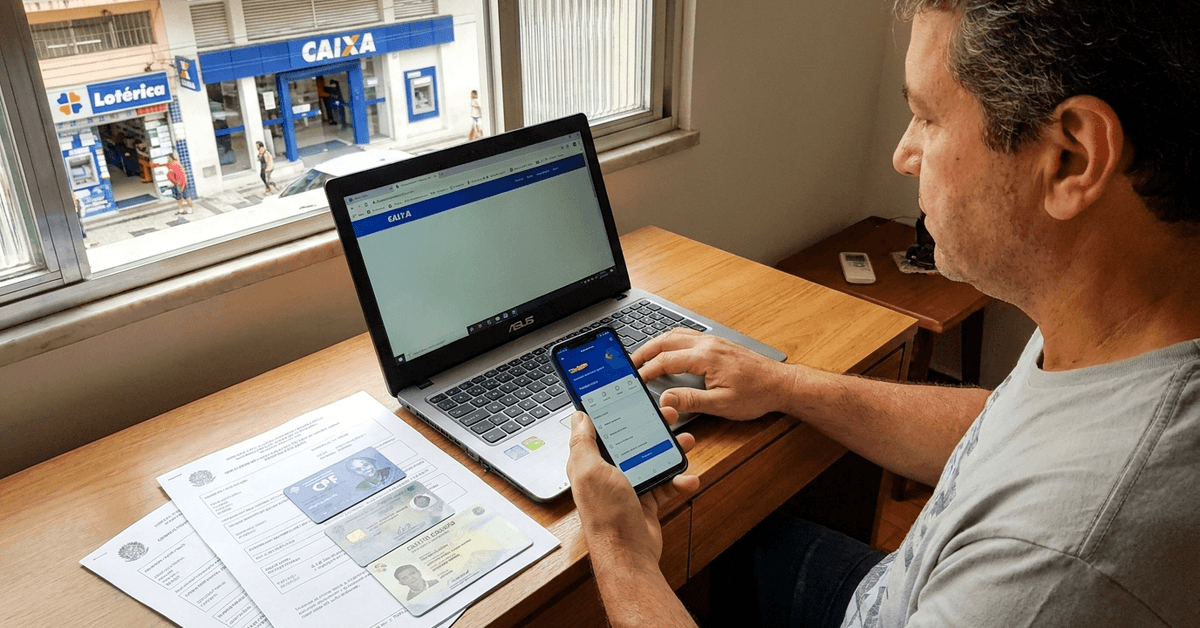
A Bolsa Família loan interests households seeking emergency credit. Understanding empréstimo Bolsa Família means distinguishing personal credit from prohibited benefit deductions.
This guide covers eligibility requirements, application steps, repayment conditions, and possible risks. Learn to compare lenders and protect your budget.

What Is a Bolsa Família Loan?
A Bolsa Família loan generally describes personal credit sought by someone receiving Brazil's income-support benefit. It is not an automatic government loan.
Since June 2023, banks cannot issue new payroll-deducted loans against Bolsa Família payments. However, beneficiaries may seek regular personal loans if they satisfy a lender's assessment.
Compare interest rates and terms before considering any offer marketed as a Brazil social benefit loan.
Why Consider a Bolsa Família Loan? Pros and Cons
Borrowing may cover an urgent expense when savings fall short. Repayments can strain limited household income.
When It Might Make Sense
Consider borrowing only for necessary expenses with realistic repayment. These situations warrant reviewing regulated credit options.
- Emergency medical expenses or essential home repairs that cannot reasonably wait.
- Unexpected income loss or temporary unemployment requiring a manageable short-term solution.
- Brief payment gaps when safer, lower-cost alternatives are unavailable.
Potential Risks
Legitimate loans create continuing financial obligations. Consider these risks before signing.

- Monthly installments can reduce money available for food, utilities, and transportation.
- Unclear contract terms may conceal additional fees or expensive insurance.
- Missed payments can trigger penalties or negative credit reporting, not automatic benefit cancellation.
- High interest rates can considerably increase the total repayment amount.
- Consider social assistance or reputable cooperatives before borrowing.
Who Can Apply for a Bolsa Família Loan?
Bolsa Família does not guarantee loan eligibility or approval. Banks apply their own credit policies.
Common Eligibility Criteria
Requirements vary by lender and product. Applicants may need the following supporting documents and information.
- Valid CPF and official identification documents.
- Current proof of residence and reliable contact information.
- Evidence of sufficient repayment capacity, including other income where applicable.
- Updated CadÚnico records when relevant to a particular program or verification request.
- Information about existing debts or previous credit irregularities.
- Confirm requirements officially to avoid delays.
Step-by-Step: How the Application Process Works
Application steps depend on your credit product. Follow these steps without assuming guaranteed approval.
1. Gather Necessary Documents
Prepare your identification, CPF, proof of residence, and any income documents requested. Keep benefit statements available if specifically requested. Some lenders accept digital copies, while branches may request originals for verification.
2. Confirm Eligibility and Term Options
Check whether the chosen institution currently provides personal credit to your applicant profile. The official CAIXA website explains its loan products, although access depends on individual assessment.
Anyone searching for a Caixa Tem loan should verify the specific product's availability and requirements rather than assuming a Bolsa Família-linked offer exists.
3. Submit Your Application
Use a verified bank branch, official website, or authorized application to submit your request. Complete each field accurately and provide only documents the lender genuinely requires.
If you search online for how to apply for Bolsa Familia loan products, avoid unfamiliar websites requesting advance payments.
4. Loan Analysis and Contract Review
The lender assesses credit risk, affordability, and the documentation before making a decision. If approved, review the annual effective cost, interest rate, repayment schedule, and optional charges, especially insurance products that may increase the final amount payable. Never sign until you understand the full contract and can afford every installment.
5. Release of Loan Funds
After approval and acceptance, funds are released according to the loan agreement. The lender may deposit money into your bank account. Verify the received amount against your contract and retain the payment records.
6. Loan Repayment
Ordinary personal loans are repaid through the method established in the signed agreement. New deductions directly from Bolsa Família benefits are prohibited, although older lawful Auxílio Brasil contracts may still have deductions. Contact the lender promptly if you cannot meet a payment, since late charges may accumulate.
How to Compare Banks and Loan Offers
Comparing lenders reveals affordable repayment options. Assess the complete borrowing cost rather than focusing only on installment size.
- Interest Rates: Compare annual rates and the effective total cost, including fees.
- Payment Flexibility: Ask about due dates, early settlement, and renegotiation arrangements.
- Customer Support: Prefer institutions with accessible complaints channels and verified contact details.
- Transparency: Reject offers that conceal charges or promise approval without checking affordability.
Consider CAIXA or Banco do Brasil, verifying suitable products. Do not assume a digital bank advertises credit specifically for benefit recipients.
Legal Safeguards and Borrower Rights
Brazilian consumer rules support clear disclosure of loan charges, repayment conditions, and contractual obligations. Borrowers deserve clear terms without sales pressure.
Avoid lenders demanding upfront release fees, passwords, or suspicious verification transfers. Report questionable conduct to PROCON, the bank's complaints office, or regulators, preserving screenshots of advertisements, suspicious payment requests, and messages as supporting evidence.
Searching solicitar empréstimo Auxílio Brasil may reveal outdated pages about a discontinued lending arrangement, so verify the current rules first.
Frequently Asked Questions
Questions concern benefit eligibility, informal lending, and debts. These distinctions prevent borrowing mistakes.
Can I lose my Bolsa Família benefit if I take out a loan?
Taking out an ordinary loan does not itself cancel Bolsa Família eligibility. Loan defaults are separate from the program's income, registration, and other benefit rules. Keep your CadÚnico information updated and discuss repayment problems directly with your lender.
Is borrowing from informal lenders ever a good idea?
Unregulated lenders may charge excessive interest or use abusive collection methods. Their apparently simple procedures can expose borrowers to fraud and serious financial losses. Choose a regulated institution with clear terms and verifiable credentials instead.
Can I take out multiple loans at once?
Some banks permit multiple loans when borrowers meet their affordability criteria. However, simultaneous installments can create serious budget pressure and increase default risk. Compare existing obligations before accepting additional debt.
Tips for Safer Borrowing and Responsible Use
Responsible borrowing starts with an accurate monthly budget and realistic repayment plan. Use these precautions to reduce financial exposure.
- Calculate the total cost, including interest, fees, and optional products.
- Protect spending on essential needs before committing to installments.
- Request written contracts and retain transaction records for future reference.
- Check official government portals for updated program regulations and borrower guidance.
- Avoid promises of guaranteed approval, extra benefits, or instant release fees.
Conclusion
A personal loan may address urgent needs, but it must fit your financial circumstances. Bolsa Família recipients should distinguish permitted bank credit from prohibited new consignado arrangements.
Verify lender credentials, compare total costs, and protect essential household expenses. Careful financial planning can help you avoid unnecessary debt and protect your household’s stability.