How to Apply for Packing Jobs in Japan: Step-by-Step Guide for Foreigners and Locals
Packing jobs offer a unique pathway to stable income and flexibility for job seekers in Japan, particularly those pursuing hands-on work in logistics, factories, or export industries. Anyone interested in steady employment in Japan might find these roles ideal, especially if comfort with physical tasks and reliable hours fits their style.
This resource aims to clarify the entire process, from understanding job requirements and searching for open positions, to completing your application successfully—helping both Japanese nationals and non-Japanese residents make informed decisions about entering this growing sector.
Understanding how to navigate the Japanese job market remains crucial, especially for foreigners who must also consider visa regulations, language expectations, and cultural nuances. At the same time, local residents benefit from knowing which documents streamline their own application experience, and how to stand out to logistics companies across the country.
Why Packing Jobs in Japan Are in Demand
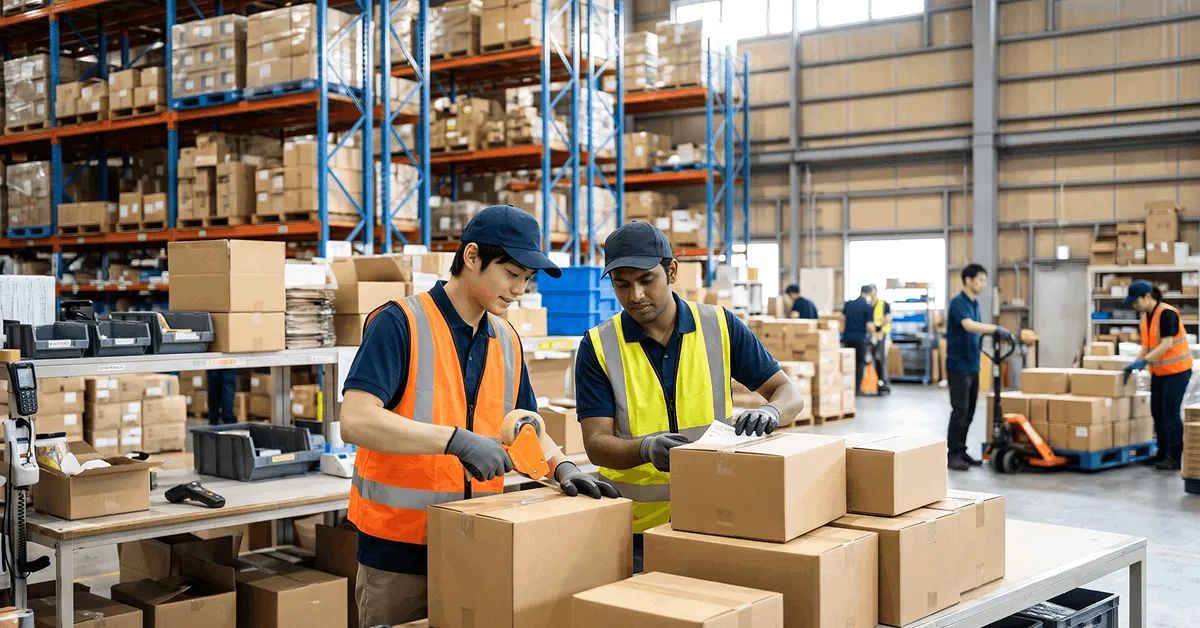
Japan’s manufacturing and e-commerce sectors have seen consistent demand for reliable packing workers. The country’s commitment to efficient logistics and on-time delivery has only increased the need for proficient staff at warehouses, distribution centers, and export facilities.
Stable Work and Reliable Employers
Most packing jobs in Japan are offered by large logistics providers or seasonal factories. These employers often provide dependable hours and competitive hourly rates, which has motivated many to pursue these positions as either full-time or supplemental work.
Opportunities for Non-Japanese Speakers
While advanced Japanese isn’t always a requirement, basic communication skills and understanding of workplace instructions are typically expected. Some workplaces actively seek foreign workers, offering multilingual guidance or orientation support for smoother onboarding.
Seasonal and Contract Flexibility
Packing jobs also attract people seeking flexible temporary contracts, especially around busy times like the holiday season or during nationwide sales. This makes the field an appealing option for those who cannot commit to year-round employment.
Typical Requirements and Qualifications for Packing Jobs
Despite being entry-level positions, packing jobs in Japan often come with clear expectations around physical fitness, punctuality, and sometimes particular work permits or visas. Understanding the typical requirements helps candidates prepare competitive applications.
Physical Condition and Stamina
Since most packing duties involve standing for extended periods or carrying boxes, a reasonable level of fitness is usually required. These jobs are best suited for people comfortable with routine physical tasks.
Basic Language Skills
Foreign applicants may be asked for basic proficiency in Japanese. Knowing workplace terms and safety phrases proves useful even in environments open to non-native speakers.
Eligibility and Work Permits
Non-Japanese nationals will need appropriate visa status that allows working in manual labor roles. Student visas typically limit hours, while specific work visas or dependent spouse permits may allow broader access.
How to Find Packing Jobs in Japan
Numerous resources exist for researching and identifying suitable packing job openings across Japan, ranging from national job portals to employment agencies dedicated to logistics and manufacturing fields.
Online Job Boards
Popular platforms such as GaijinPot Jobs or Hello Work can help locate current vacancies for packing roles. Searching with the keyword 'packing jobs in Japan' yields diverse results from metropolitan hubs to rural facilities.
Recruitment and Staffing Agencies
Major staffing firms including Pasona and Tempstaff frequently list contract or seasonal packing jobs for both local and foreign candidates. These agencies assist with job matching and often provide bilingual support during the application process.
Direct Company Websites
Larger Japanese logistics providers maintain dedicated recruitment pages with up-to-date information for job seekers. Checking leading employer sites reveals positions at facilities near your location.
The Application Process for Packing Jobs
Applying for a packing job in Japan typically follows a structured process: preparing documents, submitting digital or paper applications, and passing interviews or brief assessments.
Document Preparation
Candidates generally prepare a Japanese-style resume (rirekisho), copies of their residence card or visa (if applicable), and sometimes a cover letter. An up-to-date resume with work history and contact details remains essential.
Online and In-Person Applications
Many roles now accept online applications via the company’s official careers portal or a job board. However, some positions at smaller firms may request application materials in person, so double-check requirements.
Interview and Assessment
Interviews are typically brief and practical. Expect questions on physical capability, work history, and willingness to accept overtime or changing shifts. Some employers may conduct a basic practical test to confirm readiness for the role.
Important Points for Foreign Applicants
Foreign nationals applying for packing jobs need to consider a few extra factors before and during the hiring process, ensuring both legal compliance and a smoother transition into Japanese workplace culture.
Understanding Visa Requirements
Having the right visa type is critical. For information on proper work authorization or to confirm your eligibility, consult the Immigration Services Agency of Japan for current guidance.
Fitting Into Work Culture
Japanese workplaces value punctuality, teamwork, and clear communication. Demonstrating a willingness to learn and adapt to local customs can make a strong impression during interviews and training periods.
Salaries and Benefits for Packing Jobs
The typical salary for packing positions varies according to region, company size, and the extent of shift or overtime work. Nonetheless, most employers offer competitive hourly wages and additional incentives where required.
Average Hourly Compensation
Entry-level packing jobs pay around ¥950 to ¥1,200 per hour depending on city or shift scheduling. Pay may increase during peak periods or for overnight work.
Typical Benefits Provided
Many employers extend benefits like transport allowances or uniform provision. Some larger companies provide social insurance, paid leave, or periodic performance bonuses depending on contract length and employment status.
How to Succeed in Your Packing Role
While the core duties appear straightforward, successful employees pay attention to efficiency, accuracy, and safety—skills that can open the door to more responsible or better-paid roles over time.
Attention to Detail
Careful packing reduces shipping errors and workplace accidents. Developing the habit of double-checking package labels and contents soon becomes second nature for long-term staff.
Teamwork and Communication
Even in repetitive or solo tasks, maintaining open communication with shift leaders and colleagues ensures smoother workflow and fewer misunderstandings in fast-paced settings.
Where to Apply for Official Packing Jobs in Japan
For a reliable, up-to-date list of open packing positions, and to start your application securely, visit the official Hello Work job search portal . This government resource compiles job listings from across Japan and supports applicants of all backgrounds, with detailed instructions available in English and Japanese.
Conclusion: Your Next Steps Toward Working in Japan’s Packing Industry
Whether seeking new opportunities as a resident or a newcomer, packing jobs in Japan provide accessible and secure entry points into the workforce. By understanding both the demands and the application process, anyone can improve their chances of securing steady employment with trustworthy employers. Checking the right job boards and staying well-prepared puts success within reach, perhaps sooner than expected.
Visual Suggestions
- Comparison table of typical hourly wages by region
- Step-by-step application process infographic
- Sample Japanese resume (rirekisho) image
- Map of major logistics hubs in Japan